

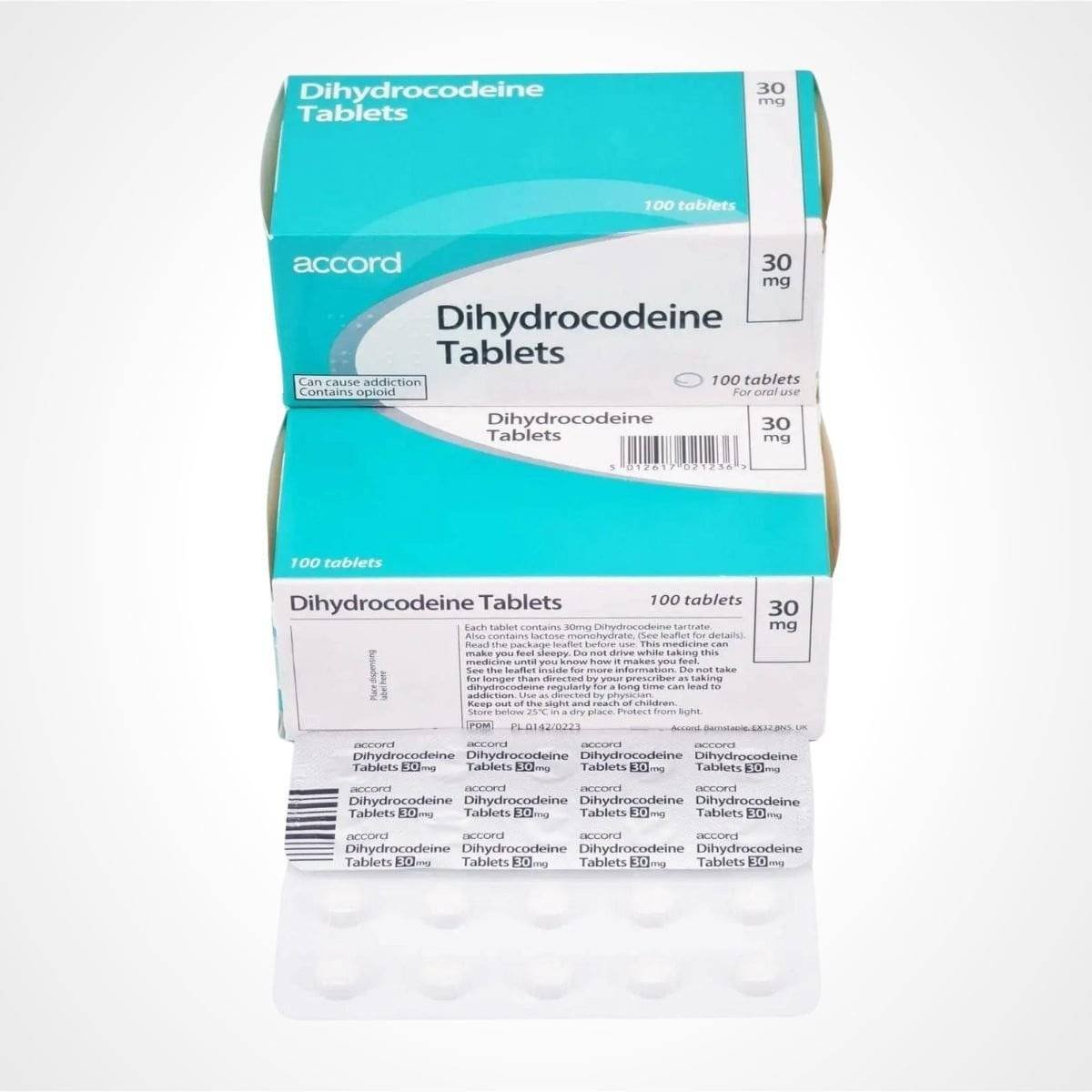
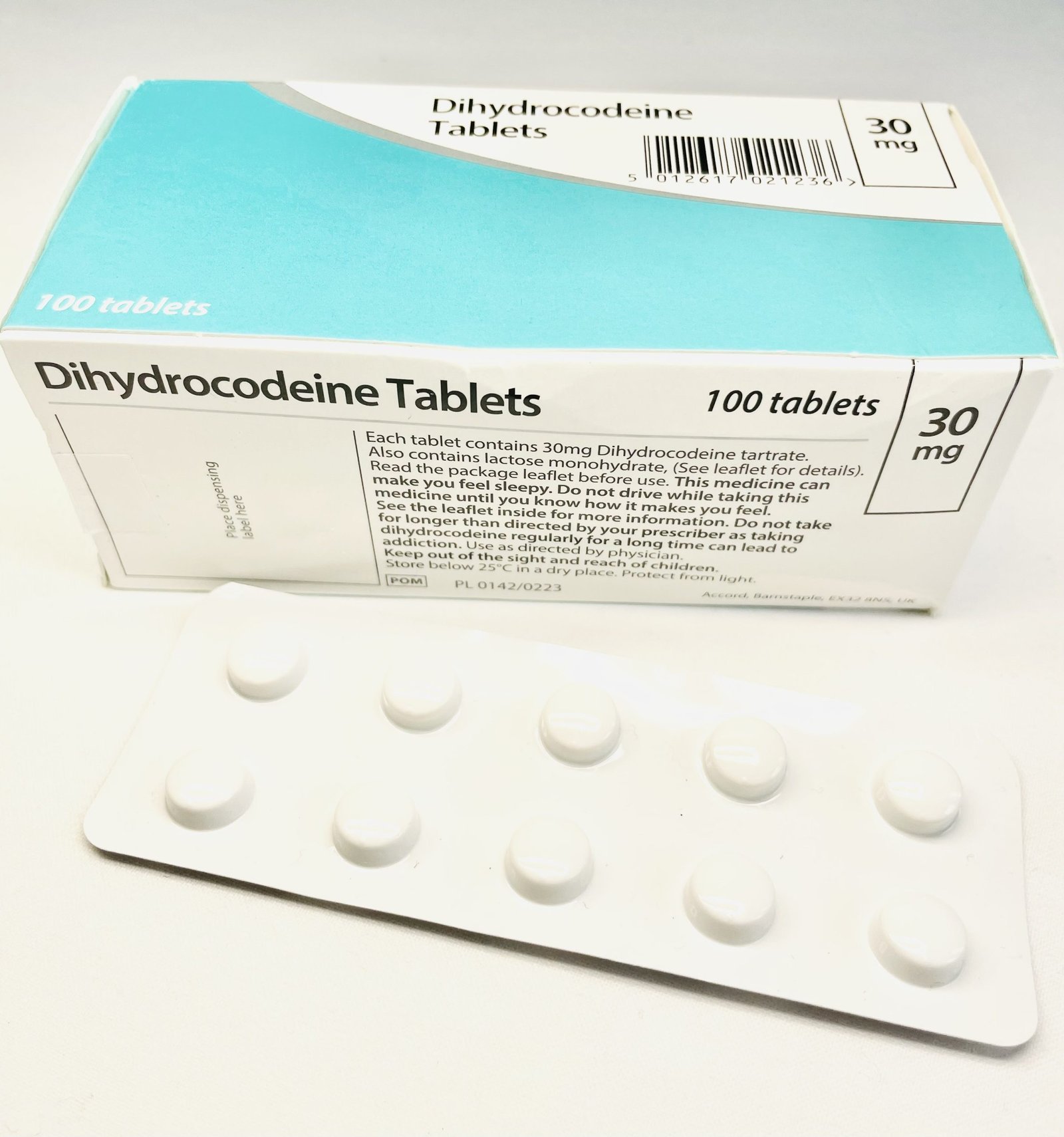
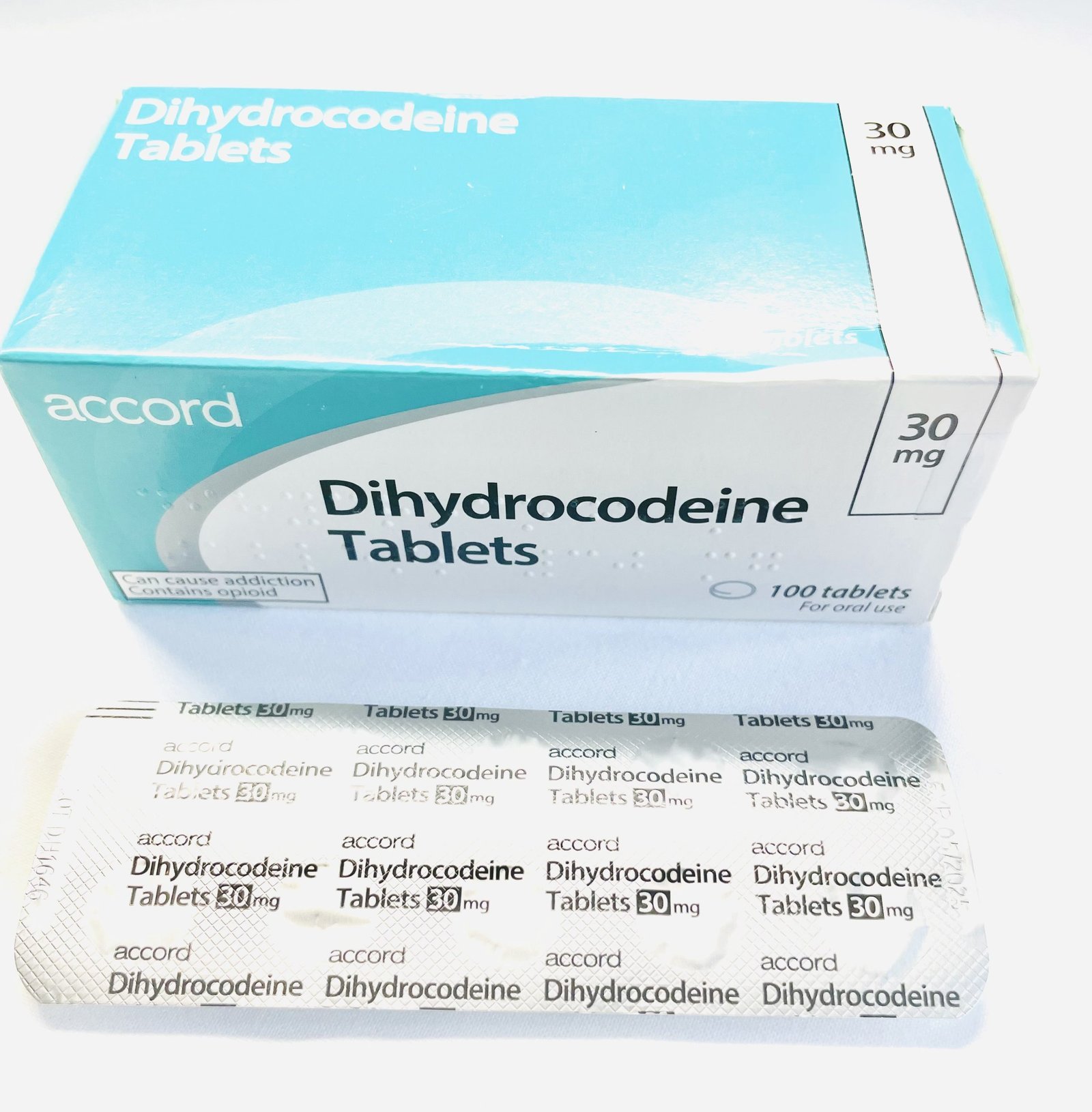
Description
What isDihydrocodeine 30mg
A prescription opioid analgesic called dihydrocodeine is used to treat moderate to severe pain in the short term. It is frequently advised after major injuries, surgical operations, or when first-line painkillers like ibuprofen or paracetamol have not worked well.
Dihydrocodeine is rigorously regulated as a Class B prohibited substance in the UK and can only be consumed under the direct supervision of a licensed healthcare provider. Before beginning treatment, patients should have a thorough medical evaluation, and dosage adjustments should never be made without expert advice.
What Is Dihydrocodeine Used For?
Dihydrocodeine is typically prescribed when standard over-the-counter pain relief no longer provides adequate comfort. Conditions it may be indicated for include:
- Recuperation following surgery and pain from the wound
- Musculoskeletal disorders, such as damage to the joints and muscles
- Treating chronic pain issues in the short term
- Severe dental pain that doesn’t go away with less potent painkillers
- Persistent headaches and migraines following the failure of previous treatments
- Acute inflammatory diseases and menstrual pain
Its effectiveness stems from the way it interacts with opioid receptors in the brain and central nervous system, significantly reducing the perception and intensity of pain signals.
A clinician may first look at alternatives for people with less severe pain. One such choice that is regularly considered at the prescription stage for moderate pain is tramadol 100 mg and Tramadol 50mg, which offers a different mechanism with a similar analgesic effect.
How Dihydrocodeine Works
Dihydrocodeine is a drug in the semi-synthetic opioid class. After being ingested, it attaches to opioid receptors in the central nervous system, changing how the brain receives and interprets pain signals. Although it doesn’t address the underlying cause of pain, this treatment greatly lessens its intensity, making recovery more comfortable for patients.
It is available in both immediate-release tablet form and as a sustained-release formulation, the latter offering longer-lasting relief for patients managing more persistent pain.
Recommended Dosage Guidelines
Dosage is determined individually based on a patient’s age, weight, medical history, and the severity of their condition. General prescribing guidance includes:
- Immediate-release tablets: typically 30mg taken every 4 to 6 hours, with a maximum daily dose of 180mg
- Sustained-release formulation: usually 60mg to 120mg taken twice daily for prolonged pain relief
- Treatment is generally intended for short-term use only
Patients must always adhere to the precise dosage that their physician or pharmacist has given. The danger of dependence and severe adverse effects increases when the dose is increased on one’s own or when the medicine is used more frequently than recommended.
Side Effects of Dihydrocodeine 30mg Tablet
As with all opioid medications, dihydrocodeine carries the potential for side effects. Patients should be aware of these before starting treatment.
Common side effects include:
- Constipation
- Nausea or vomiting
- Drowsiness and fatigue
- Dizziness or light-headedness
- Dry mouth
- Headaches
Serious side effects that require prompt medical attention:
- Difficulty breathing or shortness of breath
- Severe drop in blood pressure
- Muscle stiffness
- Allergic reactions including rash or swelling
If you experience breathing difficulties or a suspected allergic reaction, seek emergency medical assistance immediately.
Dependency and Risk Awareness
Because dihydrocodeine is an opioid, there is a clinically recognized risk of physical and psychological dependence, particularly with extended or unsupervised use. Patients are advised to:
For the shortest amount of time required, use the lowest effective dose.
- Never take more than is recommended.
- If they believe they are becoming dependent on the drug, they should be honest with their doctor.
- Avoid stopping it suddenly because withdrawal symptoms can happen.
Withdrawal symptoms may include nausea, anxiety, sweating, insomnia, and heart palpitations. If stopping treatment, a gradual reduction in dose — guided by a healthcare professional — is strongly recommended.
Who Should Avoid Dihydrocodeine?
Dihydrocodeine may not be appropriate for all patients. It is important to discuss your full medical history with a prescriber before use. It may not be suitable if you:
Have a history of opioid dependence or substance abuse
- Have COPD, asthma, or other respiratory disorders
- Are nursing, trying to conceive, or pregnant?
- Have kidney or liver disease
- Have a history of sleep apnea, head trauma, or seizures
- Are you taking drugs that interact with one another, including antidepressants, sleeping pills, or benzodiazepines?
Drug Interactions
Dihydrocodeine can interact with a range of medications, and combining it with certain substances significantly increases the risk of adverse effects. Known interactions include:
- Benzodiazepines: combining these can cause severe respiratory depression and, in serious cases, loss of consciousness
- Sedatives and sleeping aids: heightened drowsiness and breathing risks
- Antidepressants and anti-anxiety medications: increased CNS depression
- Alcohol: strongly contraindicated — amplifies sedative and respiratory effects
- Other opioids: concurrent use with medications like Tapentadol 100mg should only occur under direct medical supervision, as combining opioid analgesics carries significant safety risks
Always provide your prescribing doctor with a complete list of all medications, supplements, and herbal remedies you are currently taking.
Important Patient Safety Guidance
To use dihydrocodeine as safely as possible:
- Avoid alcohol for the entire duration of treatment
- Do not drive or operate machinery if you feel drowsy or disoriented
- Store the medication securely, out of reach of children, in a cool dry place
- Never share your prescription medication with another person
- Dispose of unused controlled drugs safely — your local pharmacy can advise on this
- Attend any follow-up appointments your prescriber schedules during your course of treatment






Reviews
There are no reviews yet.